
 SINCE 1993 MADE IN USA | ISO 9001:2015 | 303.684.0931 | CONTACT US SINCE 1993 MADE IN USA | ISO 9001:2015 | 303.684.0931 | CONTACT US
When your current molder promises four-week lead times that instead stretch into ten, that delay impacts your customers, your business and your bottom line. AIM Processing runs custom plastic injection molding programs built to prevent that, across a wide range of part sizes, volumes, and industries, backed by engineers who get involved before a tool is ever cut.
We work with design engineers, purchasing and supply chain managers, and business owners who need one thing in common: a molder who shows up with the part they were promised, on the day they were promised it and that meets or exceeds quality expectations. Our job is to make your job easier. Now we’ll tell you how we do it.
We begin the business relationship with a conversation about your part, not with a quote form.
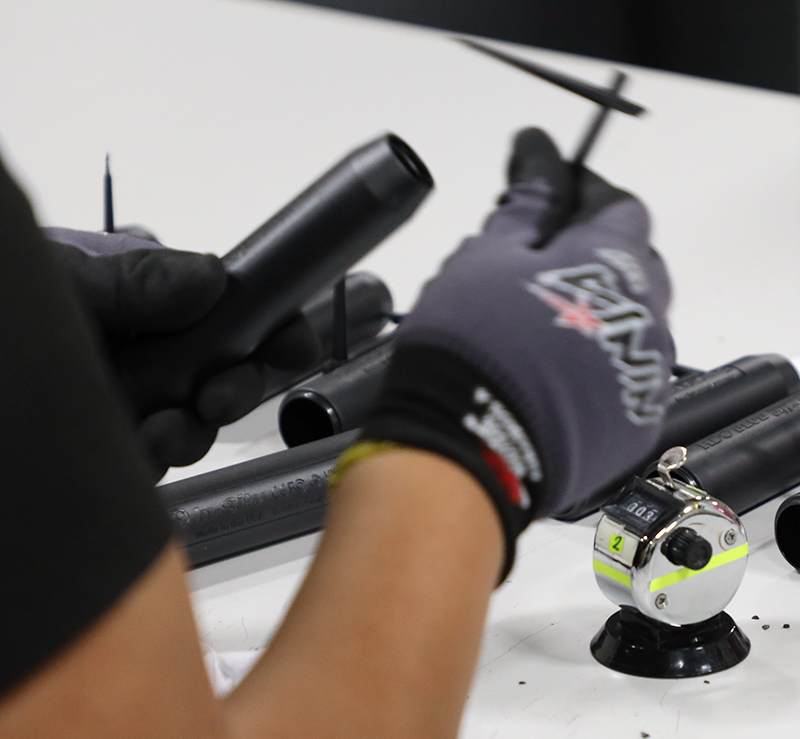
AIM Processing runs parts across a broad size and complexity range, from precision micro components to larger, more complex geometries. If your program needs different part sizes across a single product line, you can find all the assistance you need under one roof.
Our engineers work alongside your team at the design stage, running mold-flow analysis and material selection guidance before the tool is built. That's the difference between catching a manufacturability issue on screen and catching it on the production floor.
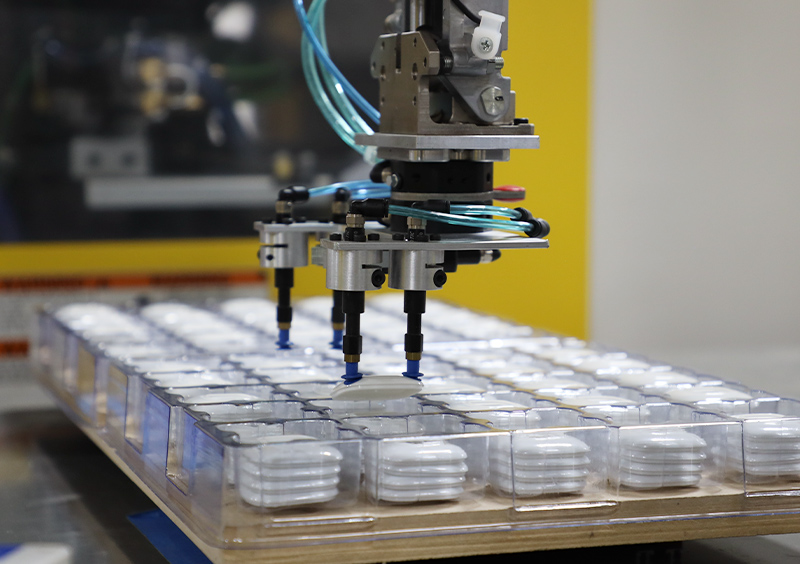
Our facility runs 24/7, which supports Kanban stocking agreements that keep inventory ready to ship, off your balance sheet, and lets us respond fast when your schedule shifts. Current customers find value in this system, praising our company as a “critical link” in their supply chain.
 I think they're a critical link in our supply chain. Without them, we'd be in trouble."
–Chris, Encision
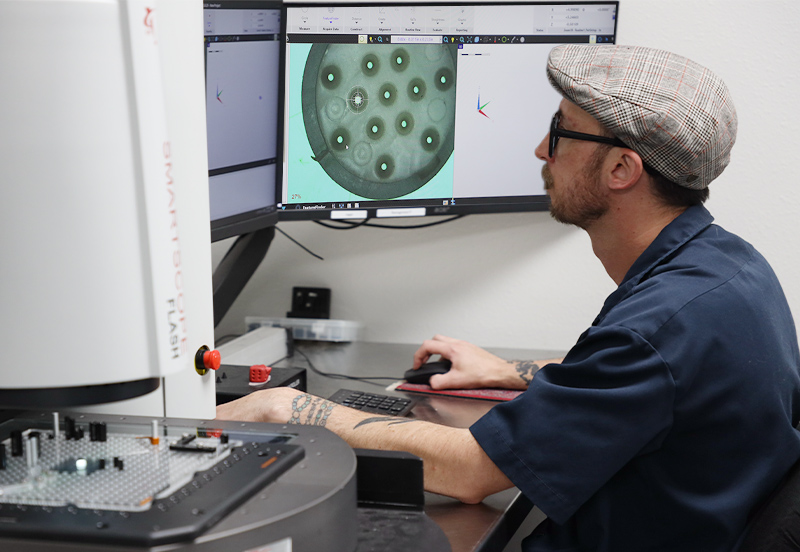
We've held ISO 9001:2015 certification since 2013, backed by statistical process control and metrology equipment including SmartScope and CMM verification on every program.
98%+ on-time delivery. Less than 0.001% return rate. An average customer relationship of 20-plus years. Those numbers exist because of how we run the business, not because of how we describe it.




Outsourcing manufacturing overseas can deliver initial cost savings, but quality issues often erode those gains. Even with lower-cost hand assembly, ...
Read MoreGreat plastic parts don’t emerge from the press unless they first start at the design desk. The injection molding industry is entering a new era. ...
Read MoreAs a manufacturing manager, you know the frustration: Parts arriving with inconsistent quality. Missed delivery deadlines. Phone calls and emails ...
Read MorePlastic injection molding is a manufacturing process where molten plastic resin is injected into a precision-machined mold under pressure, then cooled and ejected as a finished part. It's the standard process for producing high volumes of identical plastic components with tight dimensional consistency.
AIM Processing works with a wide range of engineering-grade plastics, selected based on your part's mechanical, chemical, thermal, and regulatory requirements. Material selection is part of our design review process, not an afterthought.
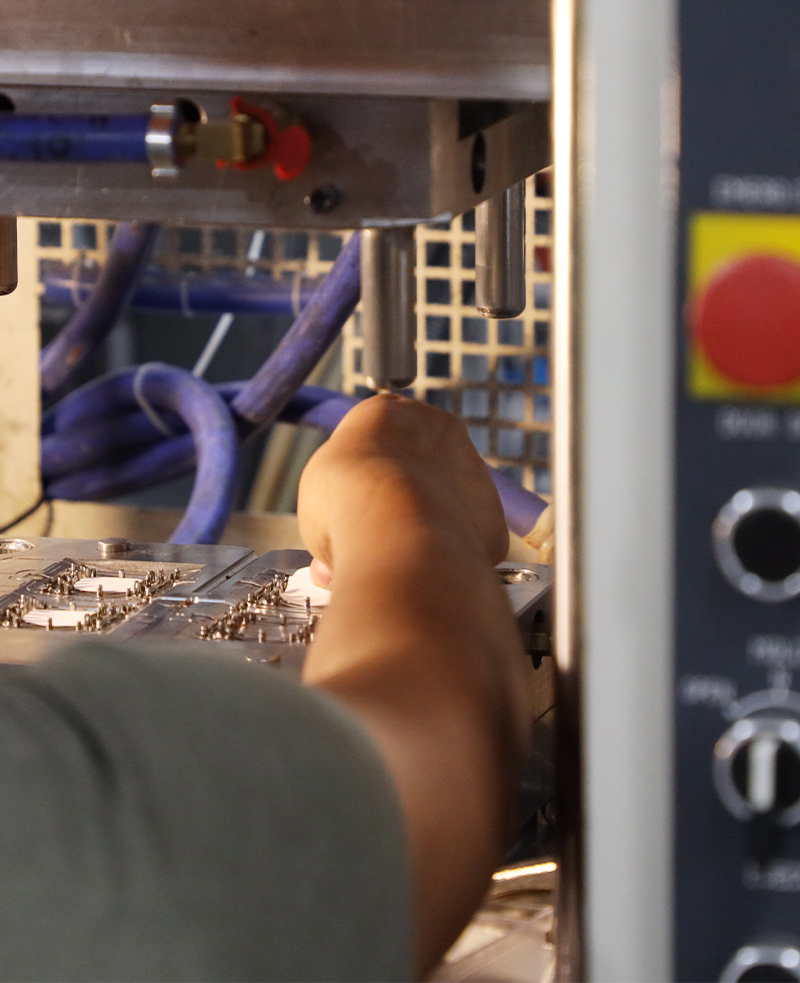
We support programs from low-volume production runs through high-volume manufacturing, running on 37 presses operating 24/7. Our stocking and Kanban agreements let us align capacity to your delivery schedule rather than forcing your schedule to fit ours.
Yes. Our engineers review designs for manufacturability before tooling is cut, including mold-flow analysis to catch wall thickness, draft angle, and gate location issues on screen instead of after a mold is built. This is standard on every program, not a paid add-on.
“We received the charger base and I want you all to know it looks FANTASTIC! Thank you for getting us this one for the BOD meeting.”
Joe P., President,
medical device company
“…thanks for all of your hard work as well as others at your facility in making this happen.”
Ron H., Quality Control Manager,
industrial product company