tooling

Getting Started With Transferring Your Tool To AIM Processing

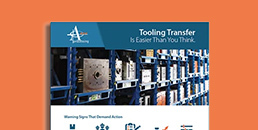
Tooling Transfer to AIM Processing Is Easier Than You Think 


Don’t let poor quality, late deliveries, or unanswered emails stall your production. AIM Processing helps manufacturers successfully transfer their tools—with minimal downtime and zero guesswork.  And with ongoing global uncertainty, now’s the time to reshore and stabilize your injection molding supply chain. 

Get started today by completing our Tooling Transfer Project Request form!  Once we receive your information, a member of our engineering team will contact you to discuss your transfer tool!

Don’t Stay With A Molder That’s Holding You Back! 

If you're dealing with: 

  • Inconsistent part quality that causes production delays 
  • Chronic missed deadlines from your molder 
  • Poor communication and lack of responsiveness 
  • Supply chain issues and concerns 

You’re not alone—and you’re not stuck.

Tool transfer is a powerful solution that gives you back control of your manufacturing supply chain. And AIM Processing is built to make it seamless.

tool-transfer-aim-processing

Get started today by completing the Tool Transfer Project Request Form

Why AIM Processing?

At AIM, tool transfer isn’t just a handoff—it’s a proven process. We specialize in small, complex plastic injection molded parts and have successfully transferred hundreds of molds for companies in medical, electrical, automotive, and industrial sectors. 

Dedicated Engineering Team 
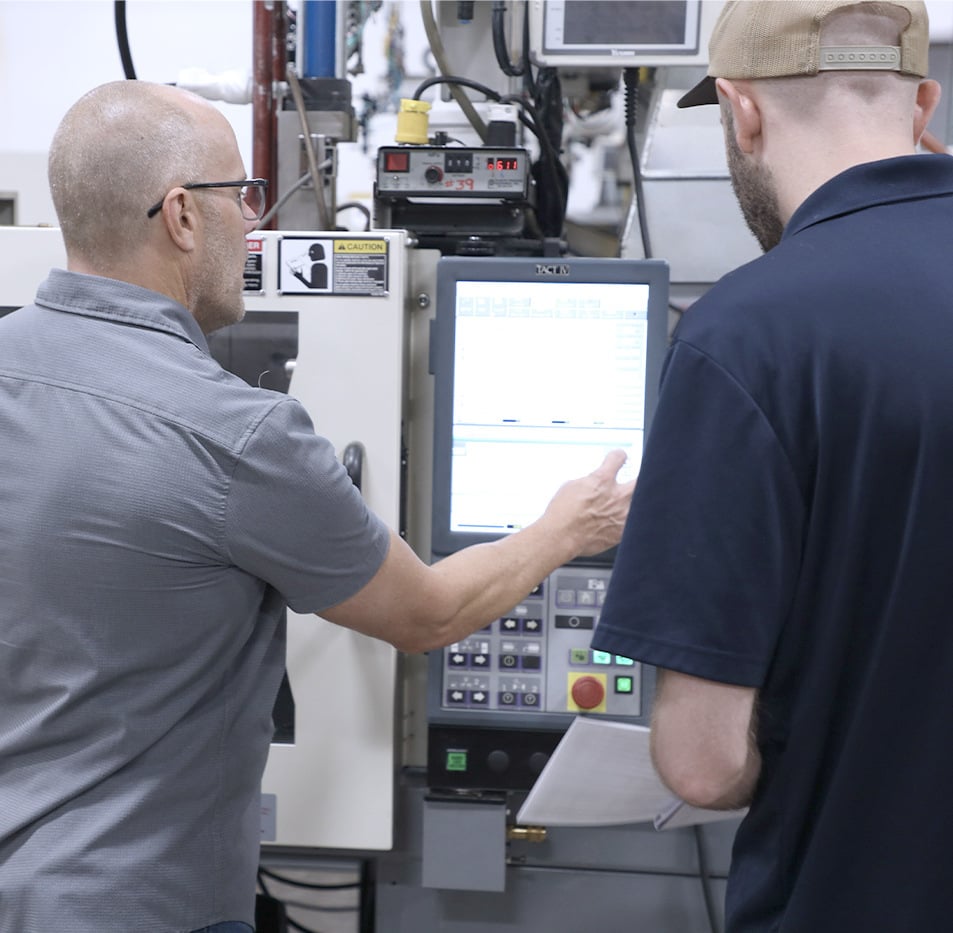
Concierge-level support from degreed engineers who manage your tool from arrival to production. 

Fast Turnaround and Requalification 
Get your tool back in production quickly—even with complex projects or tight tolerances. 

Communication You Can Count On 
From Day 1, expect structured updates, daily check-ins, and full transparency. 

700+ Resins in Inventory 
Materials in stock and ready, minimizing delays and avoiding procurement headaches. 

Automation-Driven Efficiency 
Our 24/7 facility uses 37 robots and 37 presses to keep quality high and costs low. 

Made in the USA 
Colorado-based and ISO 9001:2015 certified for consistent performance and delivery.

Ready to Make the Switch?  

Complete the Tooling Transfer Project Request Form to Get Started

What to Expect from the Tool Transfer Process 

We simplify the process from start to finish: 

aim-agriculture-02


  1. Tooling Review and Assessment - We inspect your mold upon arrival—documenting condition, verifying compatibility, and planning improvements if needed. 

  2. Material Check and Prep - Our team verifies resin specs and sources any needed materials so production can begin promptly.

  3. Test Runs and Quality Checks - We run your tool and share output samples to confirm parts meet your exact specs and quality standards. 

  4. Production Integration - Once approved, we move your part into full production—backed by automation, quality control, and stocking options. 

  5. Ongoing Optimization - We monitor and optimize your tooling for the long haul. You’re never left in the dark again. 

Customer Spotlight 

“We had over 30 tools at an underperforming molder—missed deliveries, poor parts, and no answers. AIM requalified all of them in 2 weeks and got us back on track.” 

— Operations Director, Security Device Manufacturer 

Looking for More Information? 

Featured Paper 

AIM Processing’s white paper lays out how to make a successful tooling transfer—without the risks or production delays. From managing hidden costs to ensuring fast ramp-up with your new partner, it’s everything you need to know to switch smarter. 

Download:  Switch Smarter: Successful Tooling Transfer for Injection Molding


Related Article: 

Tooling Transfer: Breaking Free from Underperforming Injection Molders 


Switch Smarter: Successful Tooling Transfer for Injection Molding

Tour AIM Processing 

As you explore transferring your tool(s) to AIM Processing, here is a quick glimpse behind the scenes at our facility, how we work and how we can help take care of your tools! 

Tooling Transfer Request Form


Latest Blog Posts

See all Posts

The Benefits of Overmolding: Regain Control of your Quality Parameters

Outsourcing manufacturing overseas can deliver initial cost savings, but quality issues often erode those gains. Even with lower-cost hand assembly, ...

Read More

Design for Manufacturability: Optimizing Your Part for Injection Molding Success

Great plastic parts don’t emerge from the press unless they first start at the design desk. The injection molding industry is entering a new era. ...

Read More

Tooling Transfer: Breaking Free from Underperforming Injection Molders

As a manufacturing manager, you know the frustration: Parts arriving with inconsistent quality. Missed delivery deadlines. Phone calls and emails ...

Read More

Frequently Asked Questions

Can I transfer my injection mold to another manufacturer?

Yes. Injection molds are the property of the customer, not the molder. Even if your tooling has been sitting in a supplier facility for years, you have the legal right to request its return. The practical challenge is navigating the release process, which means understanding any outstanding invoices, raw material buyouts, or contractual obligations, and managing the transfer without disrupting production. AIM Processing handles both sides: the logistics of moving your tools and the engineering work of getting them running reliably at a new facility.


How long does an injection mold tooling transfer take?

The time it takes for an injection mold tooling transfer depends on the number of tools, their condition, and your production urgency. A single tool in good condition can be qualified and running in a matter of weeks. Larger programs take longer, with more tools requiring more time. In time-critical situations, AIM can requalify multiple tools in parallel, prioritized by your build plan. From day one, a dedicated engineer works with your team to oversee documentation, condition assessment, and process validation so nothing falls through the cracks.


What are the risks of transferring injection molding tooling?

The most common risks of transferring injection molding tooling include:

  • production gaps caused by tooling damage during shipment
  • process parameters that don't transfer cleanly to new equipment
  • tooling in worse condition than expected once it arrives
  • material sourcing delays if the incoming molder holds your resin

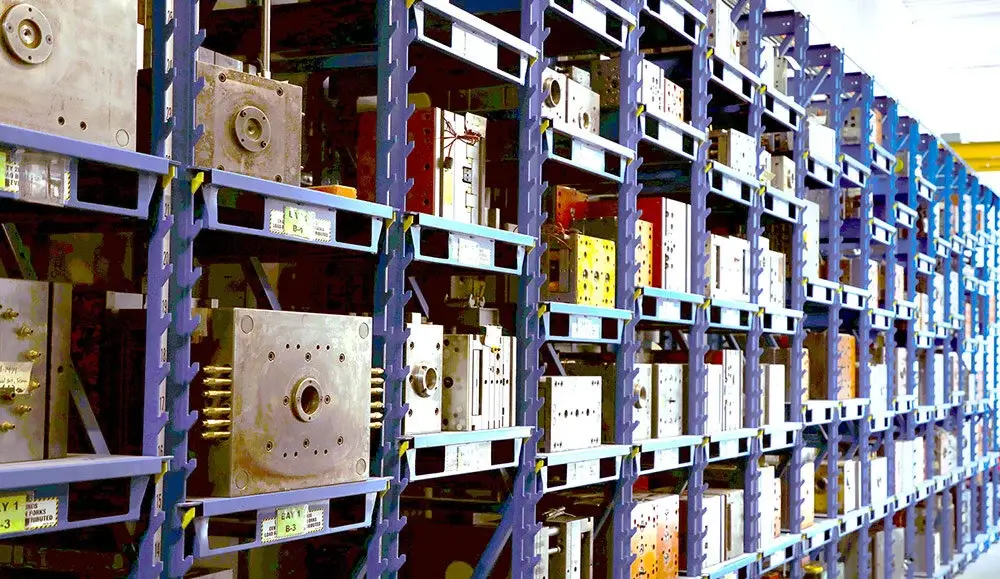
The good news is that a structured transfer process eliminates most of these risks. AIM sends an experienced engineer to photograph and document every tool on arrival. We maintain an inventory of 700-plus active materials to absorb sourcing delays and run full process validation before any tool goes into production.


Why do companies transfer injection molds to a new supplier?

Companies might transfer injection molds to a new supplier for many reasons. A supplier might have become too busy; production needs might exceed the current supplier’s capacity, or there might be quality issues such as missed delivery dates, poor communication, excess waste, or a molder that was acquired by new management. In some cases, the primary driver could be reshoring or moving tools from overseas suppliers to a domestic injection molding partner to reduce lead times, tariff exposure, and communication friction. Manufacturers also transfer tools when a new product launch requires engineering expertise their current molder can't provide. Whatever the trigger, the goal is the same: a stable supply chain with a partner who is accountable.


What should be reviewed before transferring an injection mold?

Before initiating an injection mold transfer, first, review the condition of the tooling (cavity surfaces, cooling channels, ejector systems, any documented maintenance history). Make sure to clear up any outstanding financial obligations to the current supplier. Gather all process documentation including validated parameters and material specifications, and review your production timeline to prioritize which tools need to be running first. AIM's team walks through all of this in an initial consultation, helping customers understand what they're working with before a single tool transfers locations.